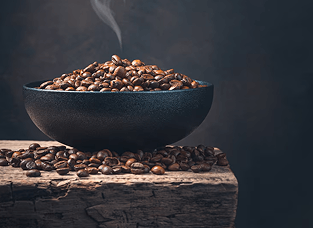
hand-roasted coffee beans for espresso
Oct

🌱 From Coffee Cherry to Roasted Bean: The Journey Behind Every Cup

buy local coffee beans in NJ

When you sip your morning coffee, you’re enjoying the final result of a fascinating journey that begins thousands of miles away. From lush coffee farms to the roaster, every step in the process plays a crucial role in flavor, aroma, and quality. Let’s take a closer look at how coffee cherries transform into the freshly roasted beans you love.


☕ Step 1: Growing Coffee Cherries

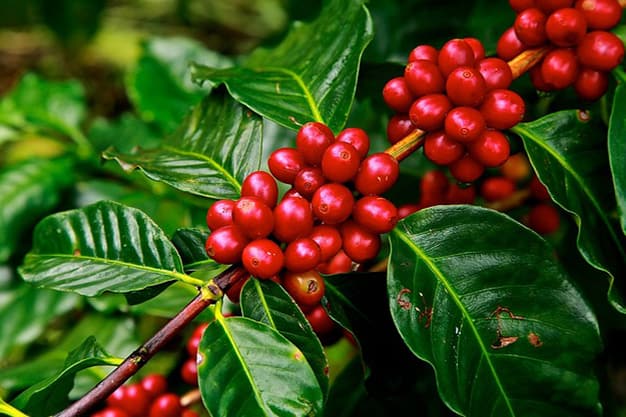
Coffee begins its life on coffee trees, primarily grown in regions along the Coffee Belt—areas near the equator with ideal altitude, rainfall, and climate. These trees produce small fruits called coffee cherries, which take about 8–12 months to mature.

Inside each cherry are typically two seeds—what we know as coffee beans. The health of the soil, climate conditions, and farming practices all impact the final flavor, which is why ethically sourced, specialty coffee is so important.


🍒 Step 2: Harvesting the Cherries

Once ripe, coffee cherries turn a bright red and are ready for harvest. Cherries can be harvested in two ways:

  • Hand-picking – Selectively choosing only ripe cherries (common for specialty and single-origin coffees)

  • Strip-picking – Removing all cherries at once (often used in large-scale production)

Hand-picking ensures higher quality and consistency, which is why it’s preferred for premium coffee.


💧 Step 3: Processing the Coffee

After harvesting, cherries must be processed quickly to prevent spoilage. This step removes the fruit and begins developing the coffee’s flavor profile. Common processing methods include:

  • Washed (Wet) Process – Produces clean, bright, and crisp flavors

  • Natural (Dry) Process – Results in fruity, bold, and wine-like notes

  • Honey Process – A balance of sweetness and acidity

Processing plays a huge role in whether your coffee tastes chocolatey, nutty, fruity, or floral.


🌬 Step 4: Drying the Beans

Once processed, the beans—now called green coffee—are dried until they reach the proper moisture level. This can take several days to weeks, depending on climate and method. Proper drying ensures stability during storage and shipping.


🚢 Step 5: Sorting & Exporting

Before export, green coffee beans are sorted by size, weight, and quality. Defective beans are removed, ensuring only the best make it into specialty coffee lots. The beans are then shipped to roasters around the world.


🔥 Step 6: Roasting the Coffee Beans

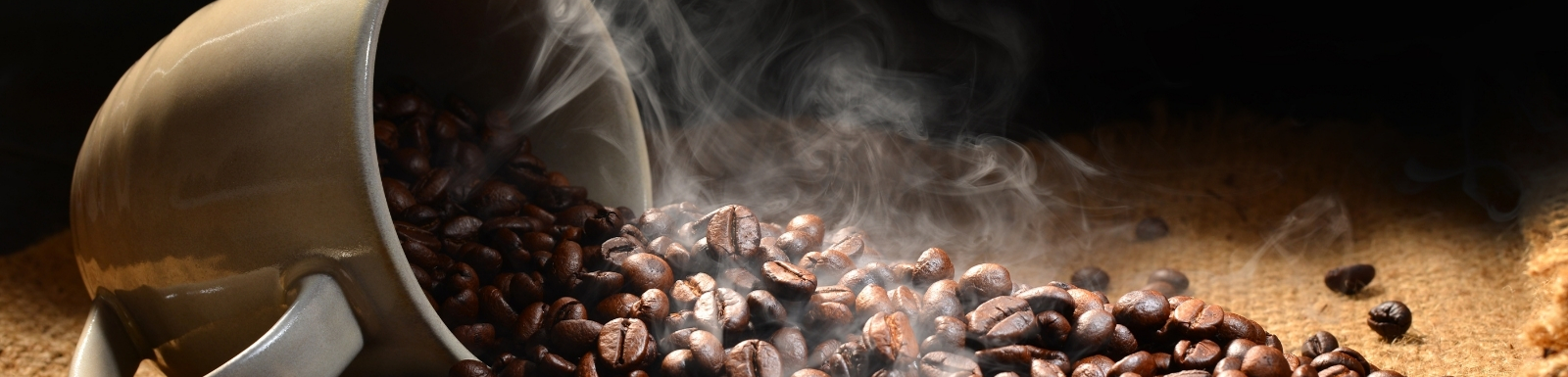
This is where the magic happens. Roasting transforms green coffee beans into the aromatic, flavorful beans we recognize. During roasting:

  • Beans expand and change color

  • Sugars caramelize

  • Oils develop

  • Unique flavor compounds are unlocked

Light, medium, and dark roasts highlight different characteristics, and expert roasting ensures each origin shines.


☕ Step 7: Fresh Coffee, Ready to Brew

After roasting, beans are cooled, rested, and packaged to preserve freshness. Grinding and brewing unlock the final expression of all the care taken from farm to cup.


🌍 Why the Journey Matters

Understanding the coffee process helps explain why fresh roasted, ethically sourced specialty coffee tastes so much better. Every step—from how cherries are picked to how beans are roasted—affects quality, sustainability, and flavor.

When you choose thoughtfully sourced coffee, you’re not just enjoying a better cup—you’re supporting farmers, communities, and craftsmanship behind every bean.


Ready to taste the journey? Explore freshly roasted, single-origin and specialty coffees that celebrate every step from cherry to cup.


NJ-based specialty coffee shop

Ingredients

For the Pork
  • 5 lbs pork butt or shoulder (trimmed and cut into 2 pieces)
  • Salt & pepper (to taste, rub all over pork)
  • 4–5 cloves garlic
  • 1 white onion, sliced

For the Sauce

  • 1 cup beef broth
  • 1 cup strong brewed coffee ☕
  • 1/4 cup brown sugar
  • 2 tbsp tomato paste
  • 2 tbsp Worcestershire sauce
  • 1 tbsp paprika
  • 1 tsp cumin
  • 1 tsp garlic powder
  • 1 tsp onion powder
  •  

Directions

  • In a small bowl, mix all sauce ingredients until combined.
  • Layer the bottom of your crockpot with the sliced onions and garlic.
  • Place the seasoned pork on top of the onion and garlic layer.
  • Pour the prepared sauce over the pork.
  • Cover and cook on low for 6–8 hours, until the pork is fork-tender.
  • Remove the pork and shred with two forks.

Optional

For a thicker sauce, transfer it to a pot and simmer on the stove for 10 minutes. Pour the thickened sauce over the shredded pork before serving.
Enjoy this tender, flavorful dish with your favorite sides or piled high on a sandwich bun! 🤤

premium Sulawesi roasted coffee online

Here’s how to whip it up:

Ingredients

  • 3/4 cup whole milk 🥛
  • 3 tbsp sugar
  • 2 tbsp unsweetened cocoa powder 🍫
  • 1 cup freshly brewed espresso or strong coffee ☕
  • 1 candy cane (or 1/4 tsp peppermint extract)
  • 1/4 tsp vanilla extract

Directions

  1. In a small saucepan, combine milk, cocoa powder, and sugar.
  2. Heat gently until small bubbles form around the edges.
  3. Stir in your coffee, vanilla extract, and half of the candy cane (or peppermint extract). Remove from heat.
    Pour into your favorite mug, top with whipped cream, chocolate shavings, and garnish with the other half of the candy cane.

✨ Pro tip: Sip by a window and watch the snow fall for maximum cozy vibes!

How to Make Cold Brew Coffee at Home

buy local coffee beans in NJ

Whether you’re just getting started or refining your technique, this guide will walk you through making smooth, delicious cold brew coffee right in your kitchen.

artisan roasted espresso beans online

Why Make Cold Brew at Home?

buy local coffee beans in NJ
  • Smoother, less acidic taste
  • Highlights the natural sweetness of beans
  • Customizable strength and flavors
  • Longer shelf life (up to 2 weeks in the fridge)
  • Easy to make in batches for convenience
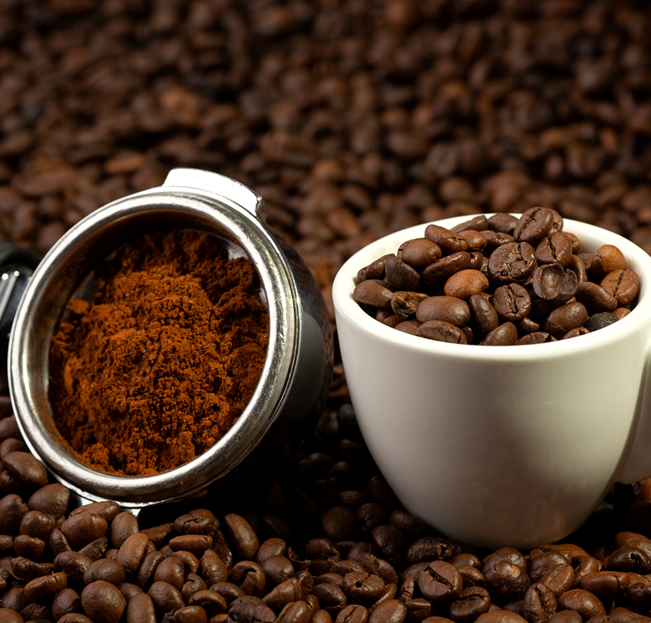
Freshly brewed espresso in white Lavanta-branded cup

What Is Cold Brew?

buy local coffee beans in NJ

Cold brew is not the same as iced coffee. Here’s the difference:

  • Iced Coffee: Brewed hot, then poured over ice. Quick and bright, but more acidic.
  • Cold Brew: Made by steeping coarsely ground beans in cold water for 12–24 hours. The result? A smooth, low-acid, subtly sweet coffee concentrate.
Buy Mexican roasted coffee beans online

What You’ll Need

buy local coffee beans in NJ

Basic equipment:

  • Coarsely ground coffee
  • Cold or room temperature water
  • Jar (e.g., mason jar),
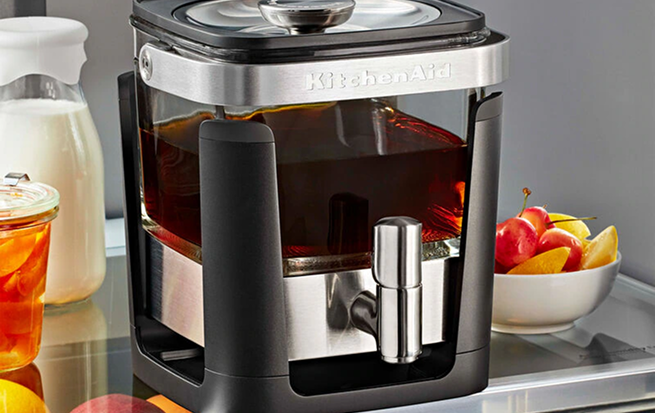
  • French press, or cold brew maker
  • Fine-mesh strainer or coffee filter

Optional:

  • Spoon for stirring
  • Pitcher or bottle for storage

How to Make Cold Brew Coffee at Home

buy local coffee beans in NJ

Method 1: Mason Jar + Strainer

  • Ratio: 1 cup coffee (113g) to 4 cups water
  • Add grounds to jar, pour in water, and stir
  • Cover and let steep at room temperature
    for 12–24 hours
  • Strain through a fine-mesh sieve (use a coffee filter for finer clarity)
  • Store in the fridge for up to 2 weeks
  • Serve diluted to taste with water, milk, or sweetener over ice

Method 2: French Press or Cold Brew Maker

  • Use same 1:4 coffee-to-water ratio
  • Stir to saturate grounds
  • Steep in fridge for 12–24 hours
  • Press plunger or follow device’s straining instructions
  • Store concentrate in the fridge
  • Dilute and serve as desired
Lavanta Coffee direct‑trade small‑batch coffee

Flavor Ideas & Customizations

buy local coffee beans in NJ

Try infusing or enhancing your cold brew with:

  • Spices: Cinnamon sticks, cardamom, vanilla beans
  • Sweeteners: Caramel, hazelnut, or flavored syrups (prefer liquid sweeteners for better mixing)
  • Milk options: Almond, oat, coconut, or traditional milk
  • Fruits: Citrus zest, berries, or apple slices for a refreshing twist
low acid coffee for sensitive stomachs

Serving Tips

buy local coffee beans in NJ

Cold brew is not the same as iced coffee. Here’s the difference:

  • Coffee Ice Cubes: Freeze leftover cold brew in ice trays to avoid watering down your drink
  • Glass or Stainless Steel Tumblers: Keep your brew colder, longer—and avoid plastic aftertaste
sustainable coffee roaster in the USA

Storage Tips

buy local coffee beans in NJ
  • Keep cold brew in an airtight container in the refrigerator
  • Avoid storing near strong-smelling foods to prevent flavor contamination
  • Lasts up to 2 weeks if kept properly

Enjoy crafting your own cold brew at home—smooth, simple, and exactly how you like it.

Our Brand-New Shiny Website Is Almost Ready!

buy local coffee beans in NJ

We’re brewing up something fresh, flavorful, and fabulous behind the scenes. Stay tuned—it’s launching soon!

Need coffee now? Email info@lavantacoffee.com or call (862) 881-4683. We’ve got you covered!

[wpfp_1]

ID Me for Savings

Upload Image Front Back Both Sides

Searching for the perfect cup? Allow us to assist.

buy local coffee beans in NJ

Our curated collection of coffees is crafted for discerning tastes — but choosing the ideal match can still be a journey. Click Need help finding the perfect coffee? to receive personalized recommendations from our team. Whether you seek bold intensity or a delicate balance, we’re here to guide you to your perfect brew.